
So when designing anything where do you begin? Well for many people, they would say iterative design is a thing, and that you should work in steps to get there. I don’t disagree with that, but before you can really get your hands dirty, you need somewhere to start – and for game designers working on a team (99%! 99%!), that means documentation. Just make sure to have your TPS reports in by Monday.

So let’s pretend for a moment, you are working on documentation, and you are tasked with submitting a concept for a game using a somewhat familiar environment that people know. – Let’s say, oh I don’t know… an environment for Seagulls. Immediately, (hopefully) you probably pictured Seagulls flying around a beach or pier, being annoying perhaps, maybe trying to steal some tourists lunch, or just keeping to themselves.
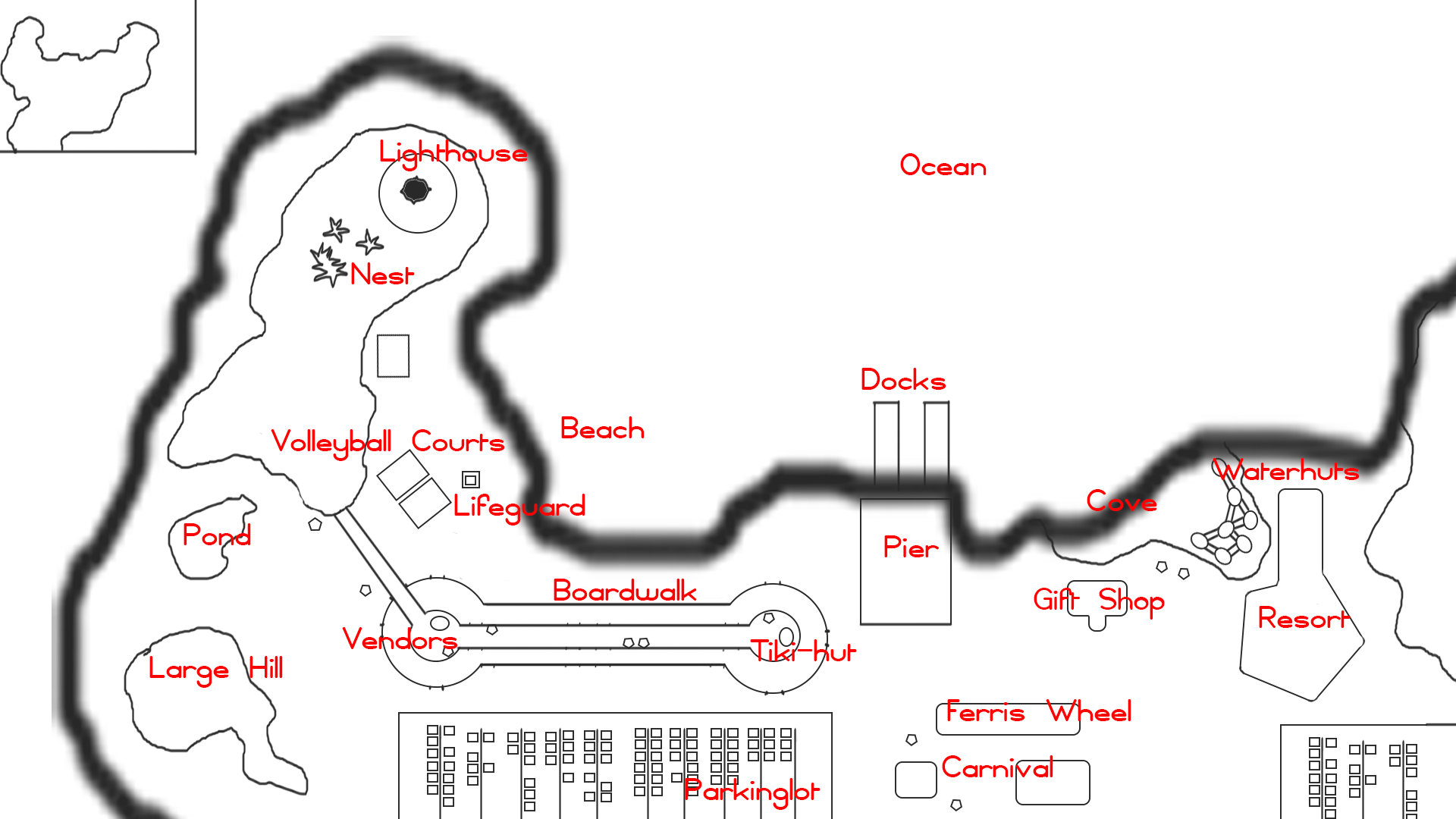
Then, what exactly is the next step to get that idea fully conceptualized into documentation? A question I also asked myself. Being early in my career as a designer, I didn’t have an answer to that question right away. So for me, I found asking questions to be more helpful then searching for answers.
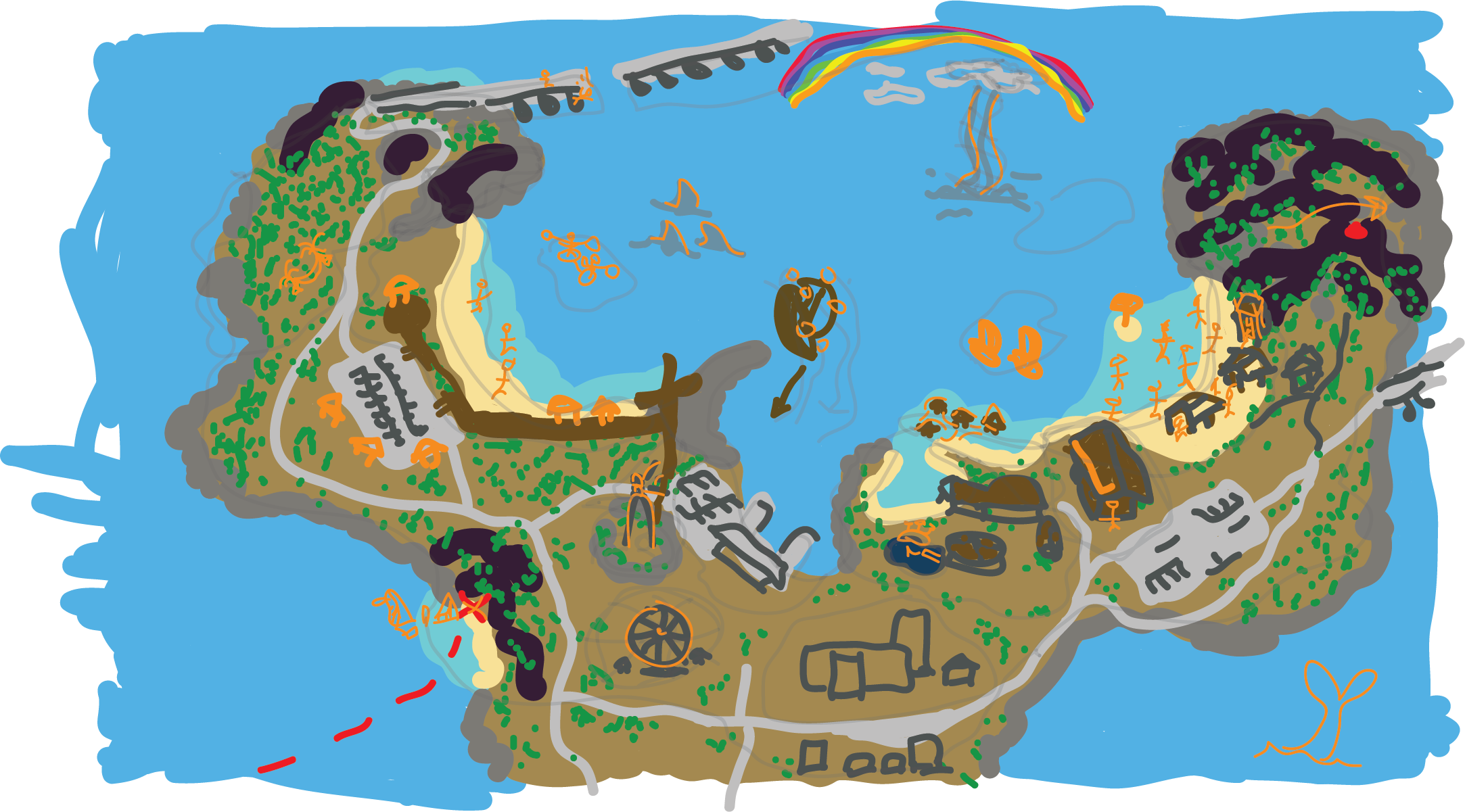
“What is interesting about this area? What can the player interact with here? What is the purpose behind having seashells on the beach when the player is in the sky? What vertical distinctions can be created for our player to explore while in that sky? What if our player poops on this object? Or in a nutshell, What is the intention?“
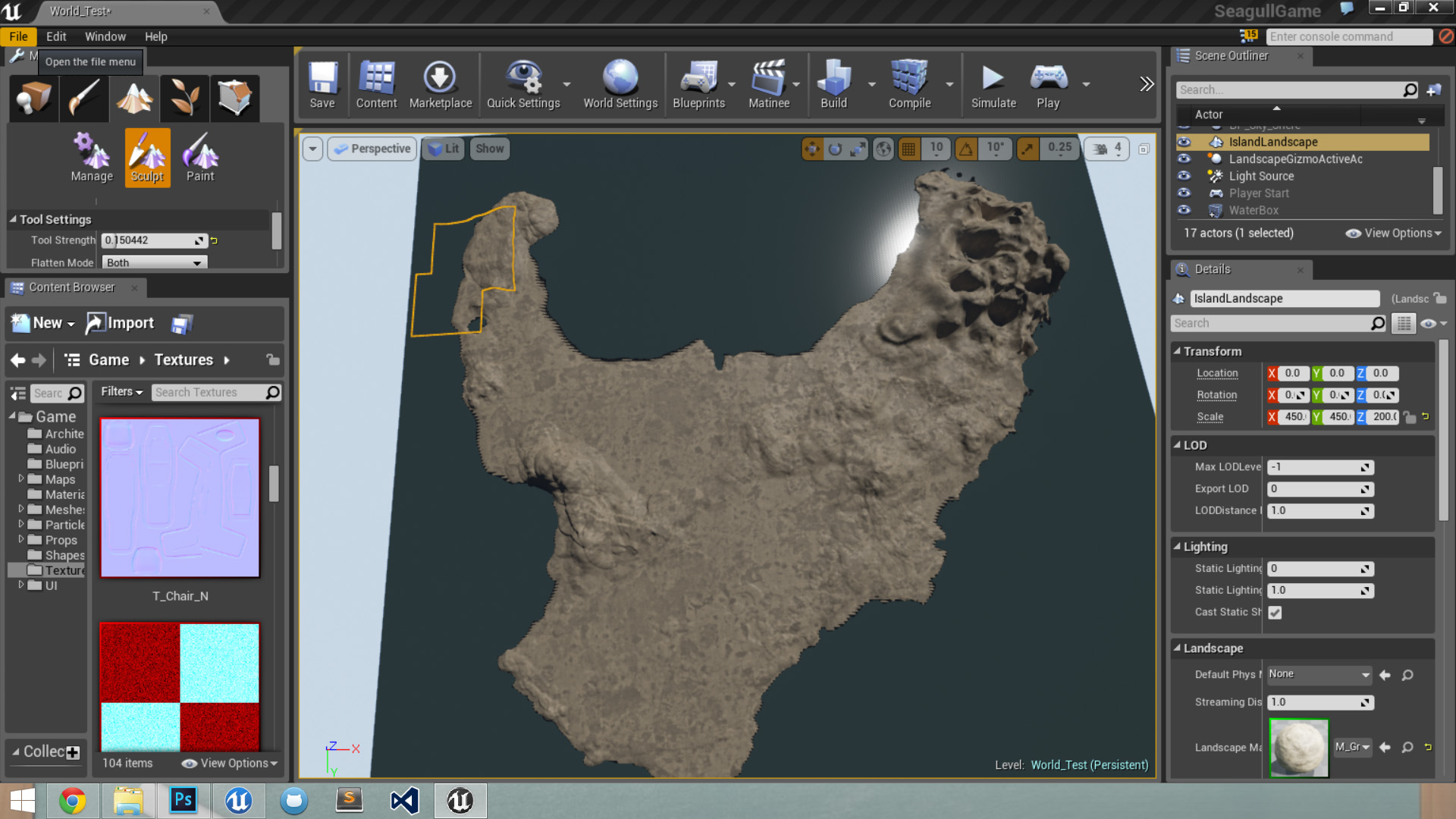
Without realizing it, I had discovered a series of questions which eventually guided me to my new found design mantra: ‘What is the intent behind what I’m trying to design, and how can I convey that intent?’

Perhaps you don’t agree with that being a strong mantra, and that’s okay. But to me designs start with intention, because all choices start with an intention, and designs, much like when you do anything in real life, start by making a choice.

 Andres N. Lopez